Life on the Land

Working Animals at Talking Water

Talking Water is more than a place to stay. Our 82 acres are an active Greenbelt property, and our livestock have jobs to do.

What to Expect

This Is a Working Greenbelt Property

You may encounter working animals outside of fenced areas during your stay. Our goats are moved via GPS and/or electric fence around the property to browse vegetation. Our chickens may be out scratching and foraging, and our cats patrol the property freely.

This is intentional, and part of life at Talking Water.

Please give all animals plenty of space and remember that even friendly, familiar animals are still animals. Children should always be supervised around them, and dogs should always remain leashed on the property.
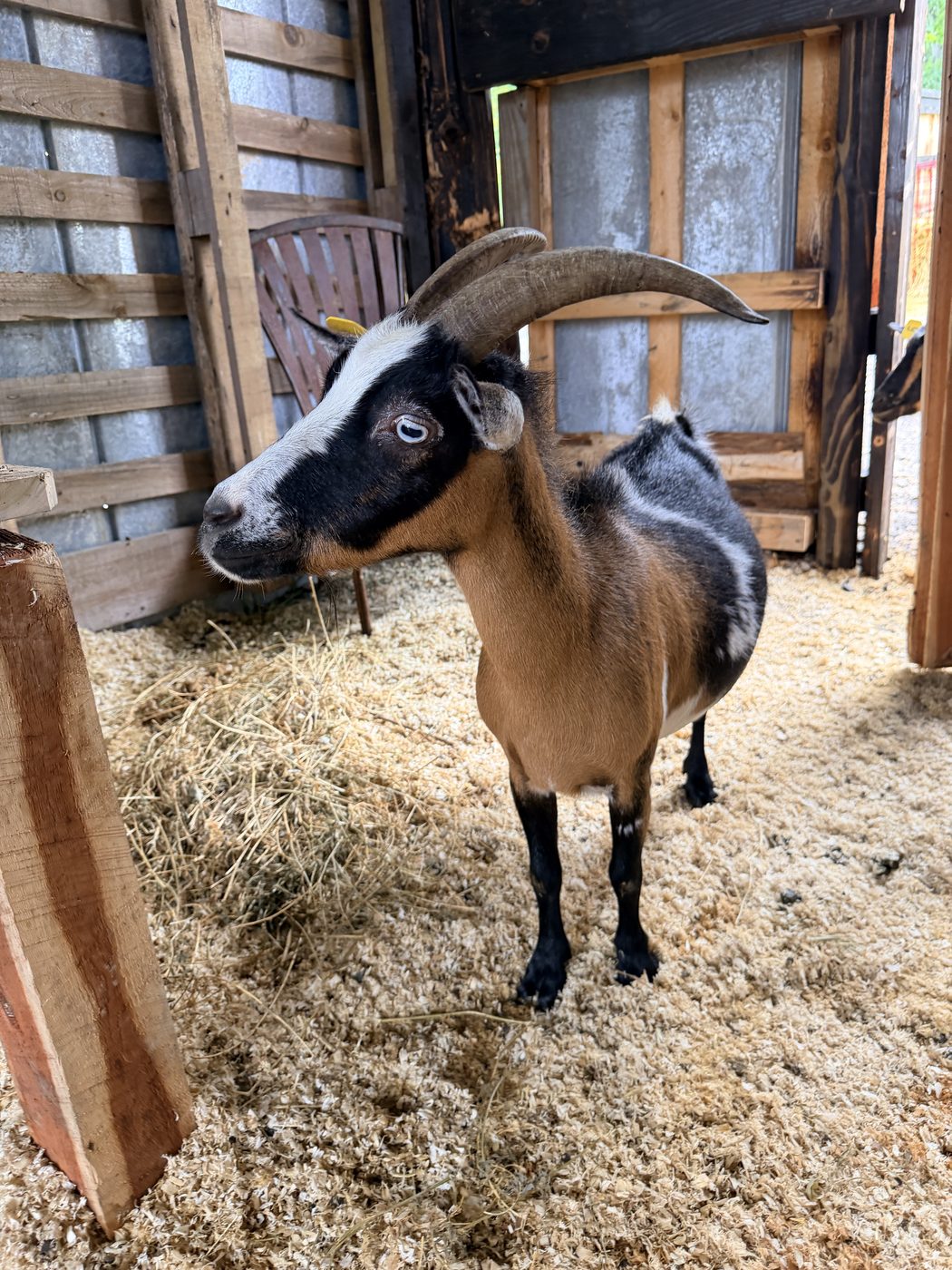
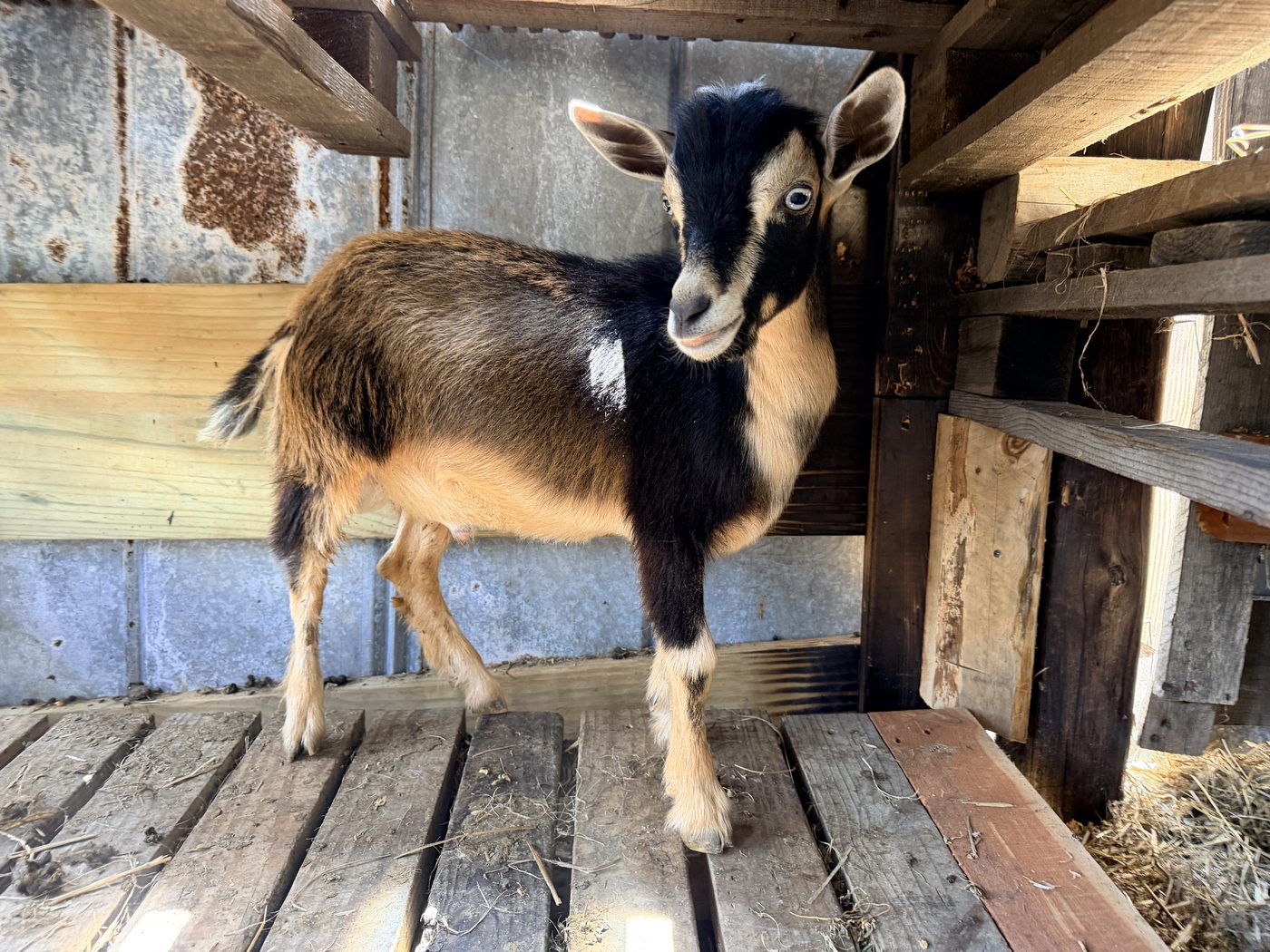
One of the Talking Water goats in the barn
Everyone Pitches In

Our Animals Have Jobs, and Are Loved

Our animals aren’t decorations. We know our animals individually, care about them deeply, and value sharing this farm lifestyle with our guests.

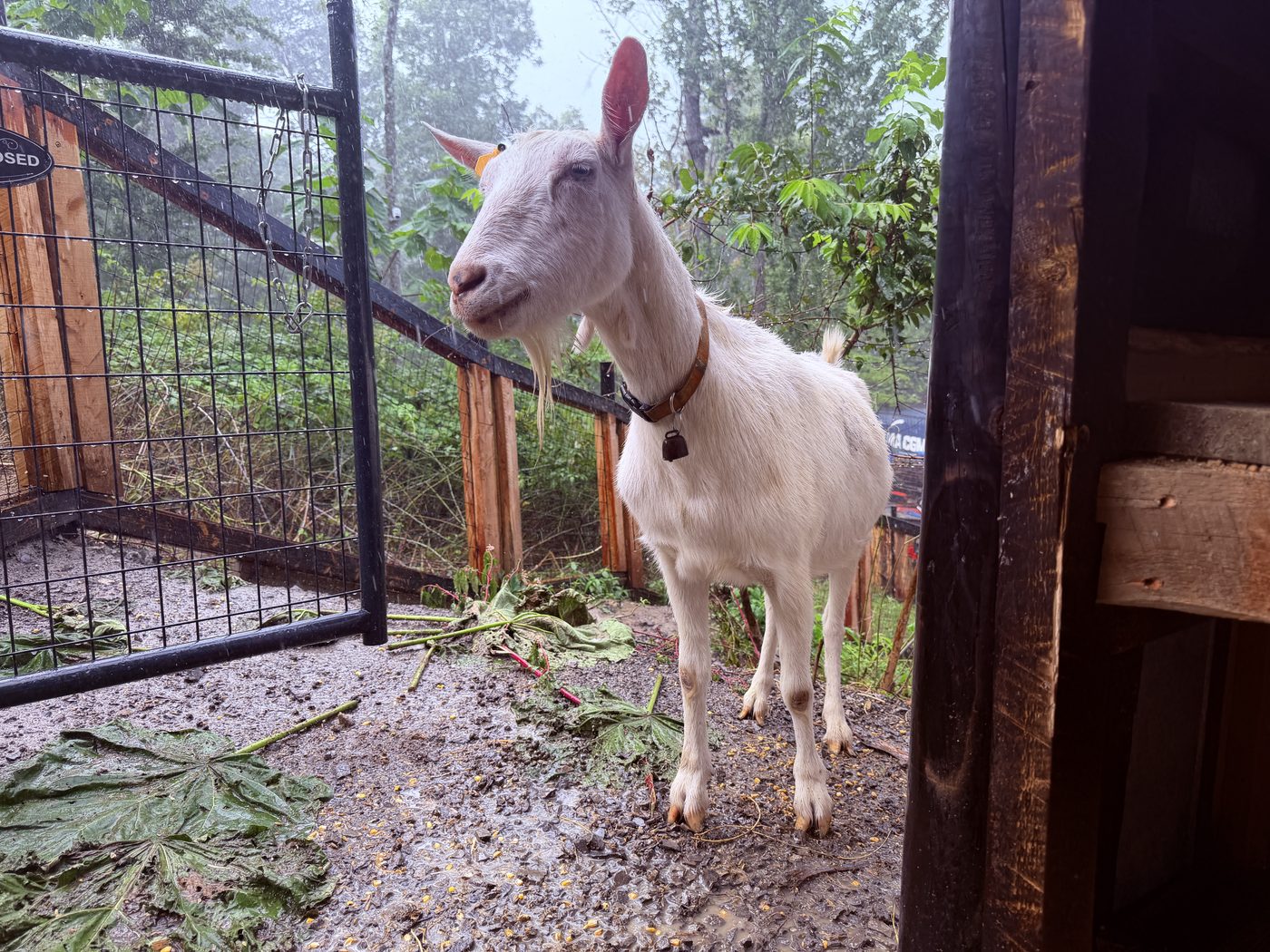
A Talking Water goat browsing along the fence line
🐐

Our Goats Are Our Brush-Clearing Crew

They help us manage invasive plants, vines, shrubs, and overgrowth throughout the property. Moving them to different areas gives them fresh browse while helping us manage vegetation with fewer machines and chemicals.

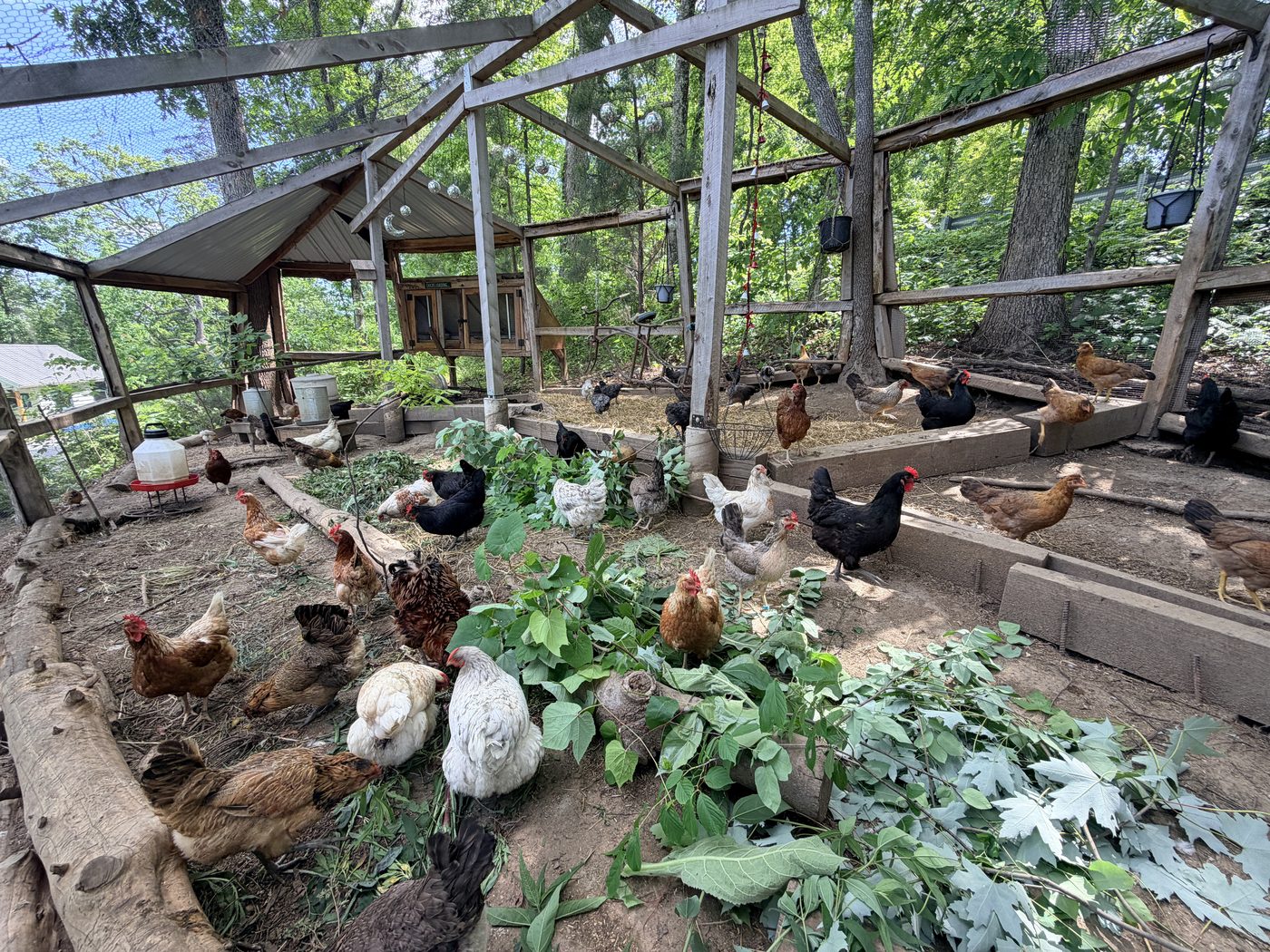
The Talking Water flock foraging in the garden
🐓

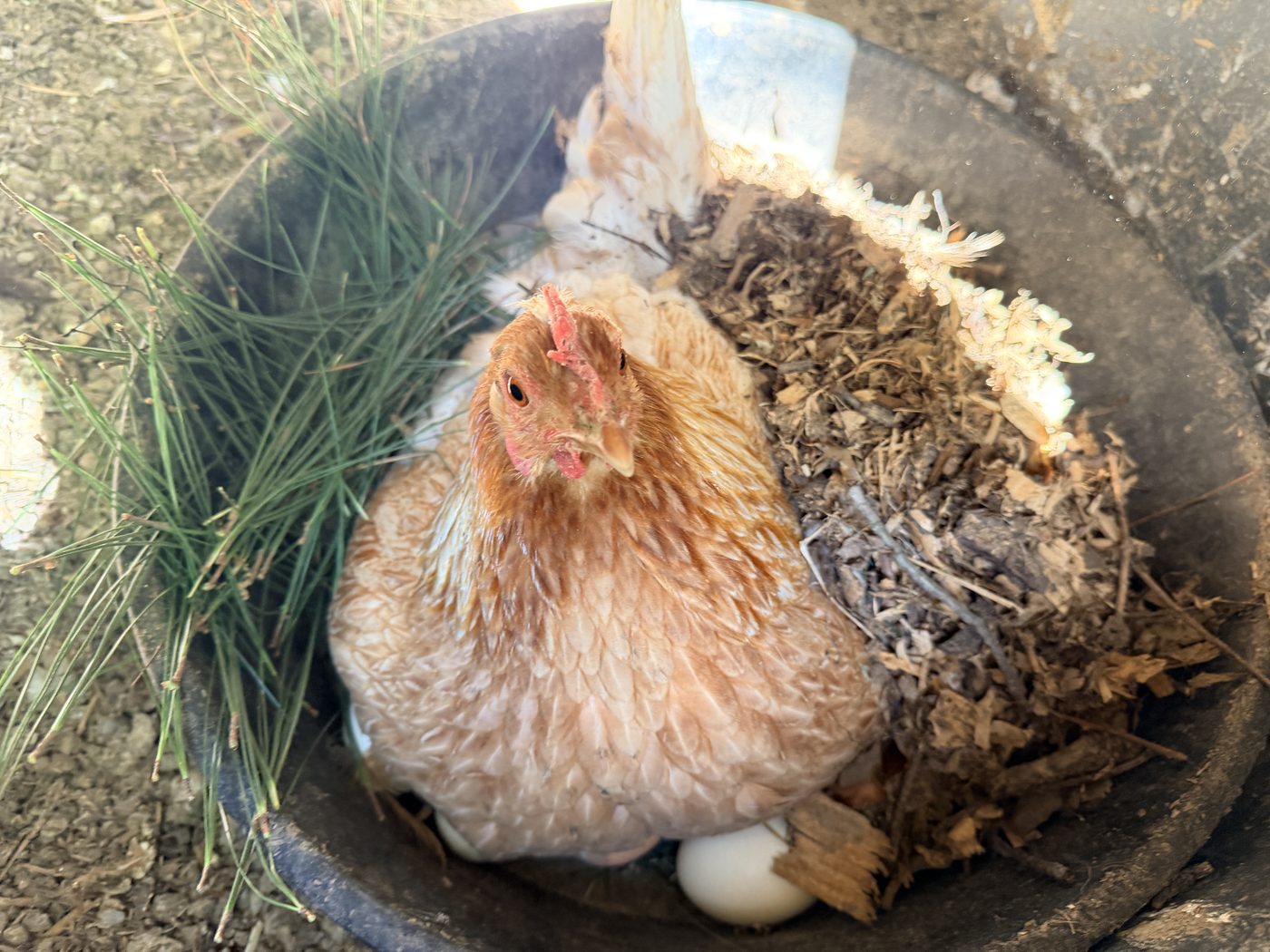
Our Chickens Provide Eggs and Help Around the Property

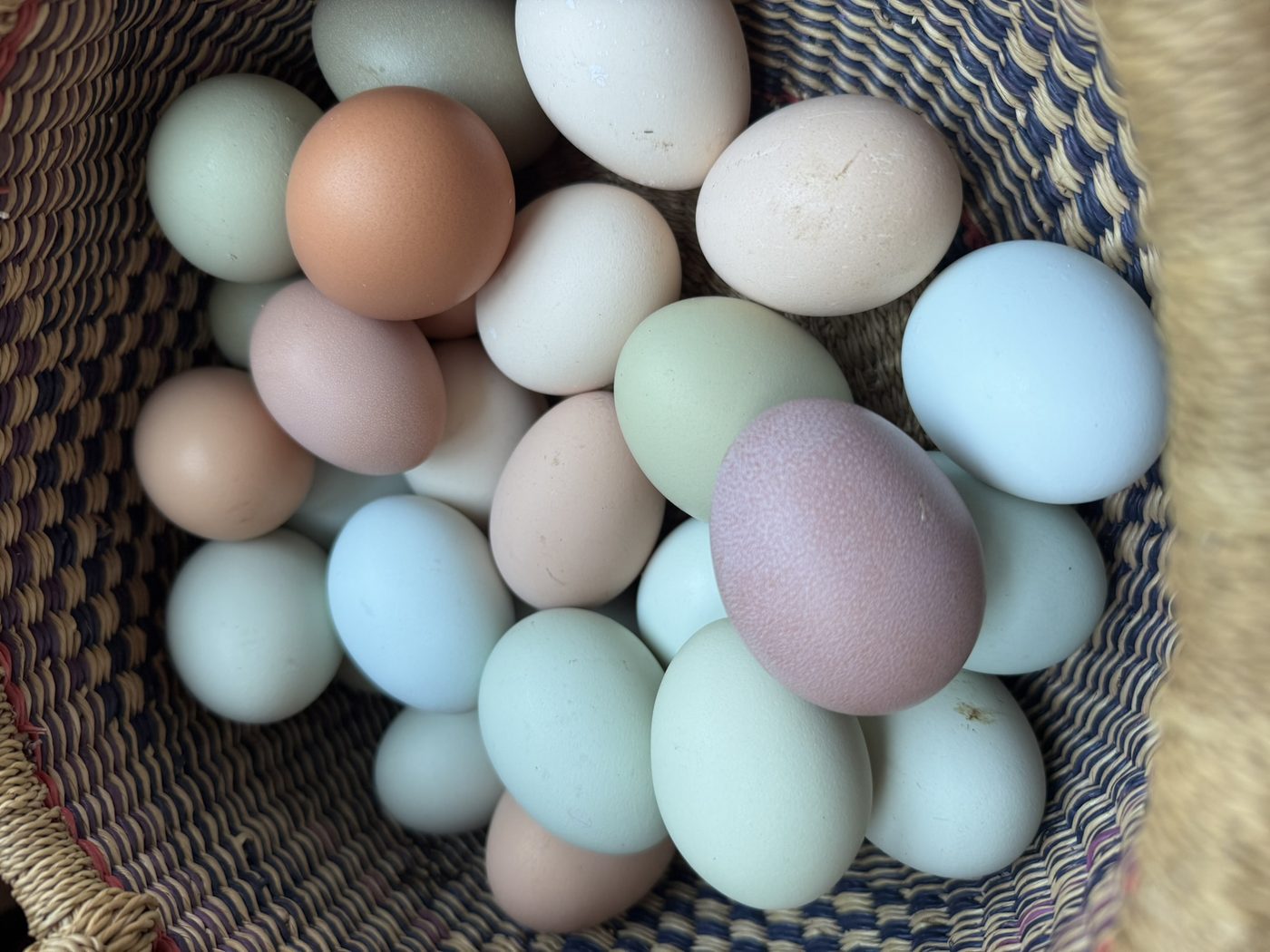
They scratch, forage, eat insects, turn over soil, and provide us with colorful fresh eggs. You’ll sometimes find Talking Water chicks for sale!

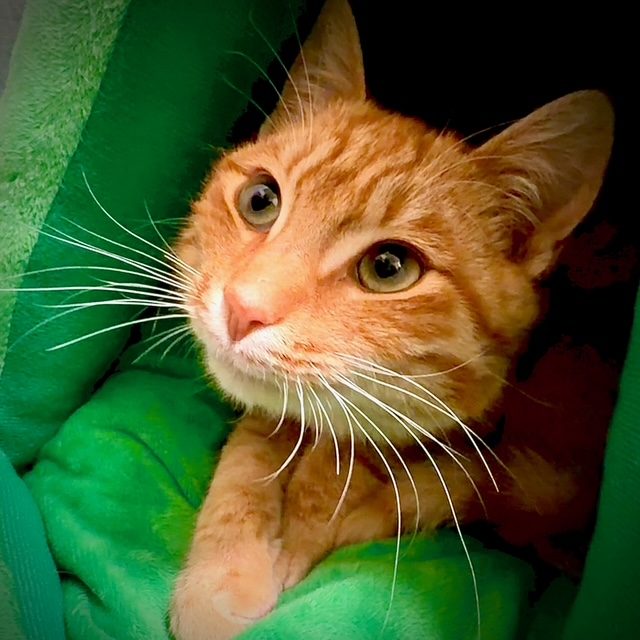
Makepeace, one of the resident Talking Water cats
🐈

Our Cats Are Our Resident Pest-Control Team

They help keep rodents in check around the cabins, buildings, gardens, and animal areas. They’re working cats, although they frequently seem to think their primary job is greeting guests and joining folks on hikes.

Say Hello

Meet the Working Animals of Talking Water

🐐

The Brush Control Crew

Our goats earn their keep by doing what goats do best: eating things we’d rather not spend our days cutting.

They browse vines, shrubs, weeds, and woody growth throughout the property and help us manage areas that are difficult to reach with equipment. You’ll sometimes see them inside temporary fencing, and other times being moved or supervised while browsing elsewhere on the property.

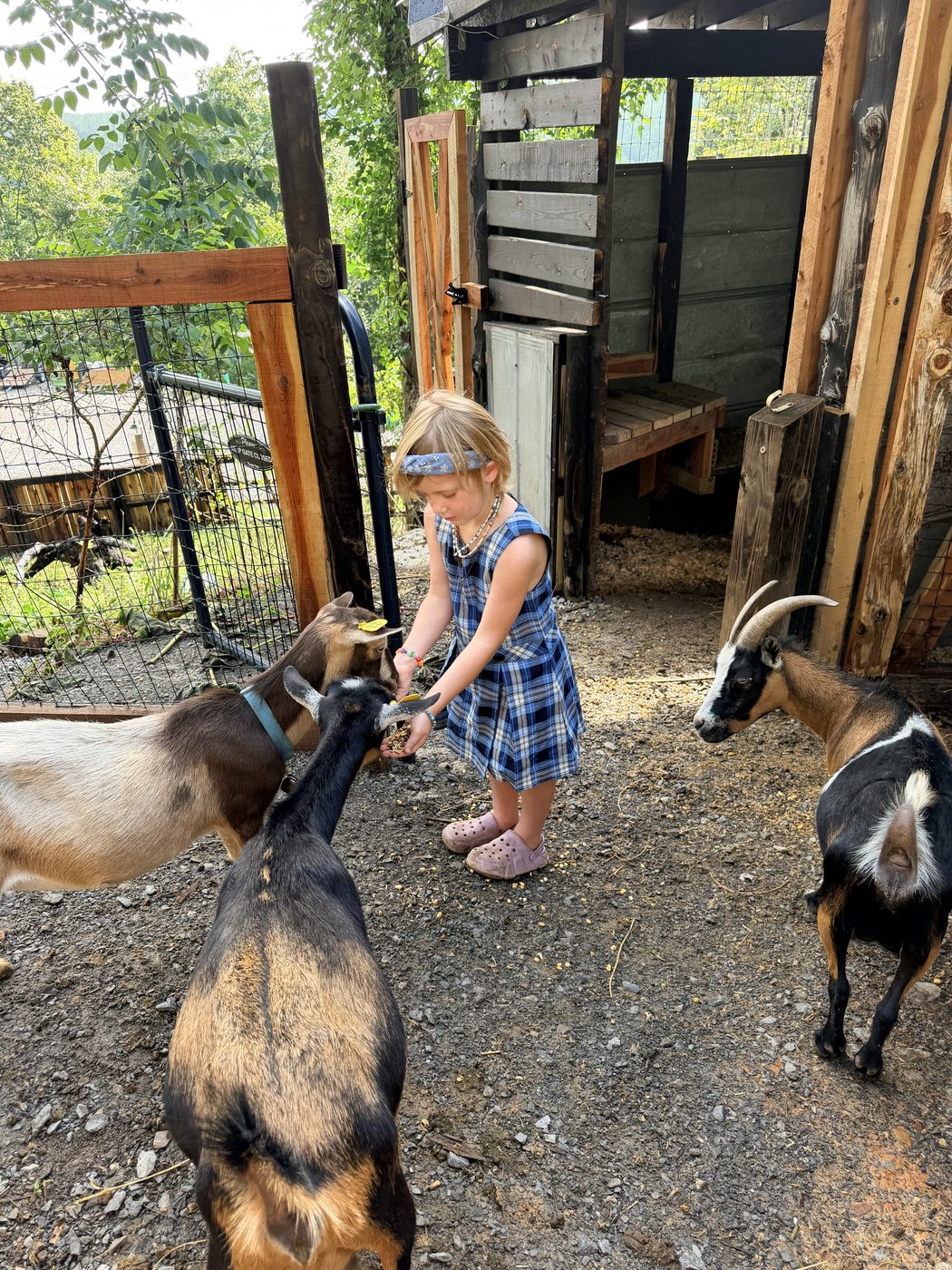
Come say hi. They spend their evenings in the paddocks by the entrance to Talking Water. Feel free to visit them for pets through the fence. You may even feed them treats via the dispenser along the road, just make sure to bring along quarters to feed the machine!
🐓

The Egg Layers

Our chickens spend their days scratching, pecking, turning over soil, eating bugs, and producing an assortment of colorful eggs.

You may see chickens wandering outside their coop, or working their way through different parts of the property. Please enjoy watching them, but don’t chase them.

🐈

The Pest Control Team

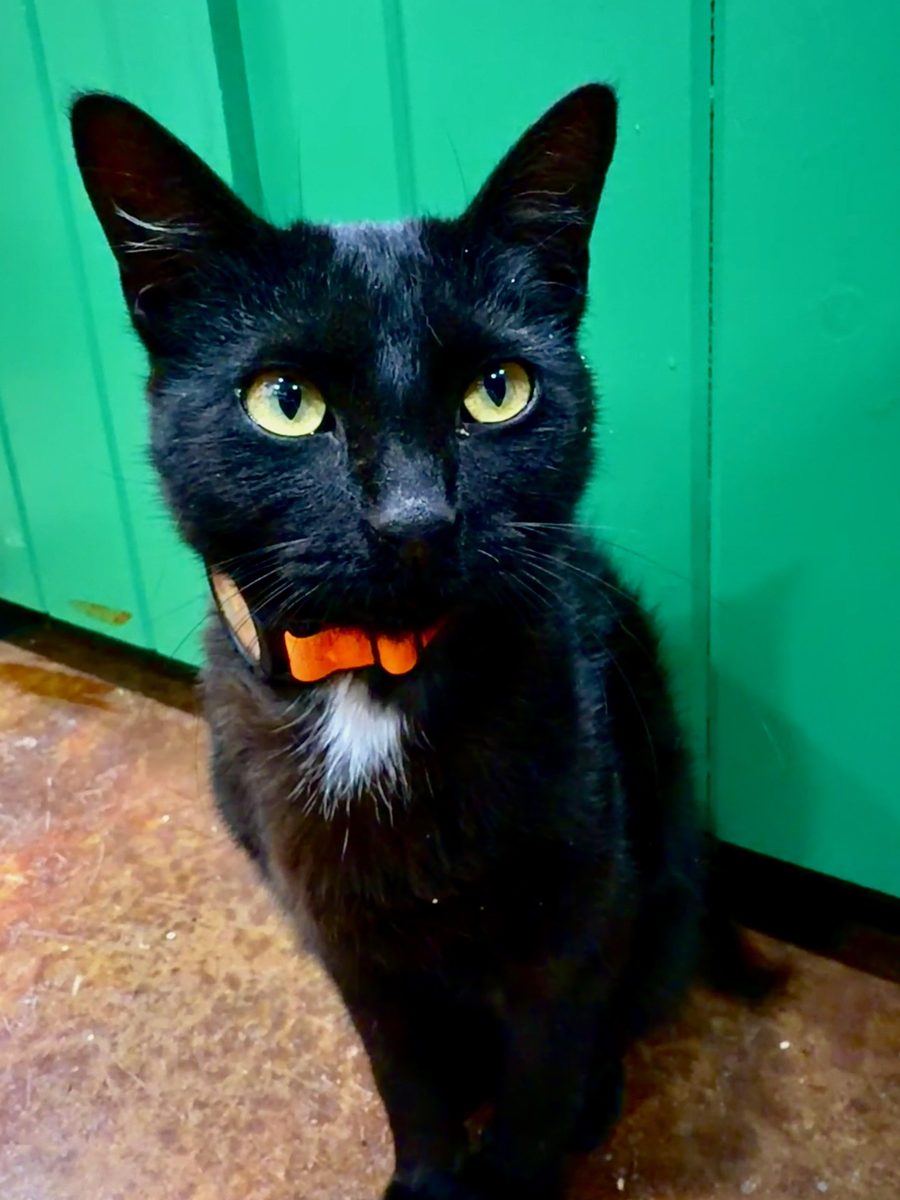
Meet Ozzy, Ouissa, Makepeace and Seraphina, our resident working cats. Their official job is rodent control around the property. Their self-appointed jobs include greeting guests, supervising construction projects, and hunting rodents.

Ozzy, a black cat with an orange collar

Ozzy

Named for Ozzy Osbourne, all chill vibes and loud, social vocals. Raised during our earth-building workshops, bouncing between sleeping bags each night. Sweet, petite, and knows no stranger.

Ouissa, a brown tabby cat

Ouissa

Our wonderful mama, who arrived needing shelter with five tiny kittens. Patient, attentive, and endlessly cuddly. Named for Ouiser Boudreaux in Steel Magnolias.

Makepeace, an orange tabby cat

Makepeace

A slow-moving, adventurous gentleman from the shelter. A little standoffish at first, but he purrs loudly when held gently. Named for our values.

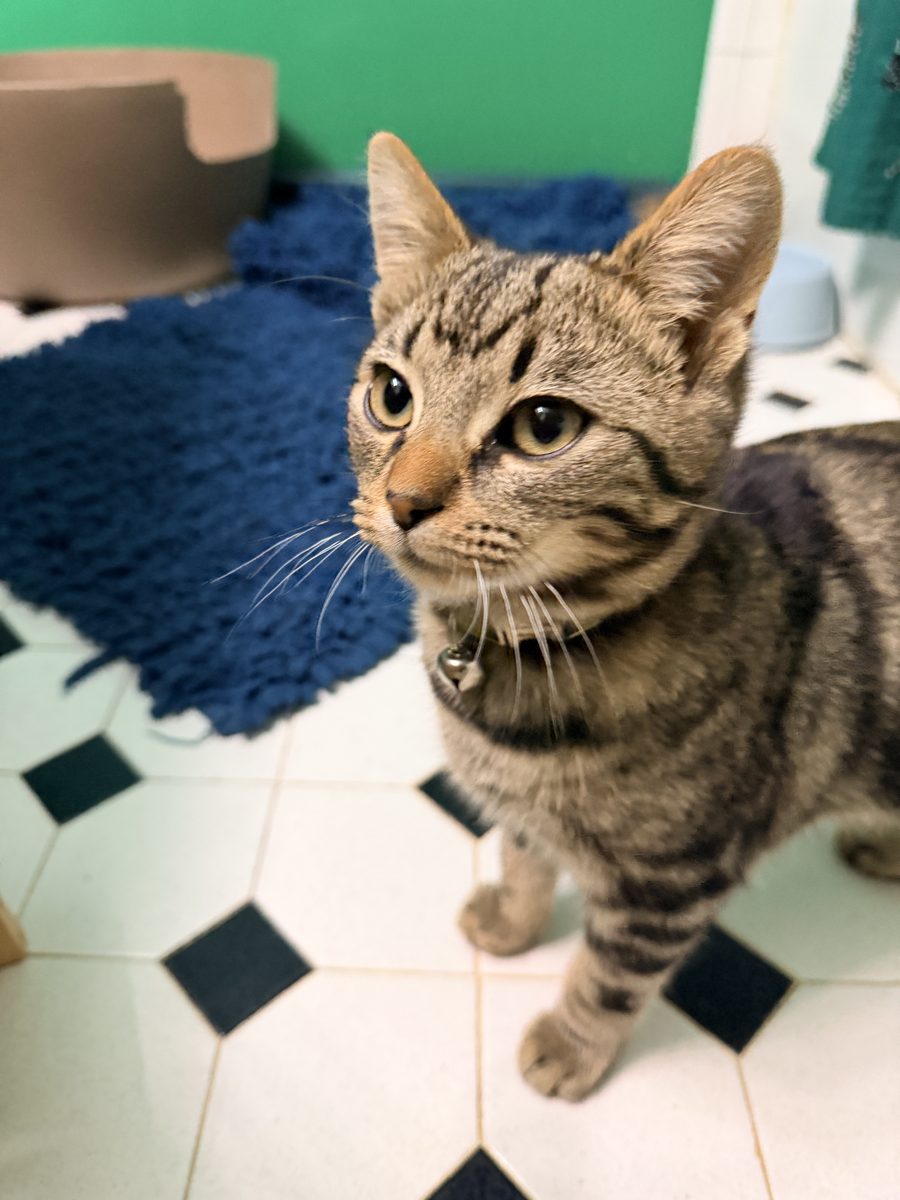
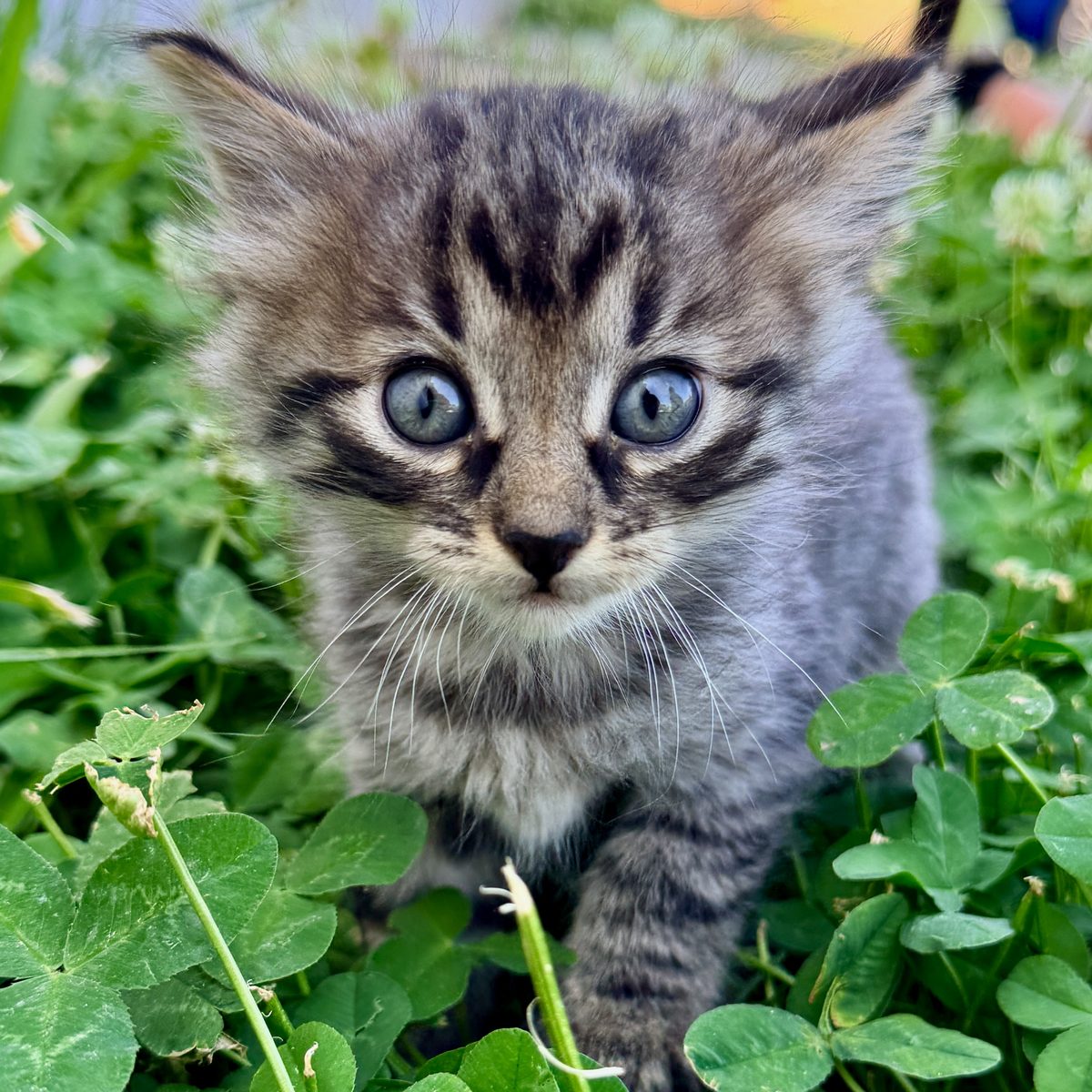
Seraphina, a grey tabby kitten in the clover

Seraphina

One of Ouissa’s babies, a calm, cuddly little one you’ll see more of as she grows. Named after our childhood cat, Sarah.

They live here and know their territory, so they come and go as they please. Feel free to give them some love if they come to you, but please don’t feed them or allow them inside your cabin. If one decides to accompany you on a walk, that’s pretty normal around here.
House Rules

Sharing the Property Safely

Our animals’ health and wellbeing are closely monitored. They receive daily care and attention, and all have safe, appropriate shelter available to them. For their protection, please keep visiting pets separated from our animals. Even healthy pets can carry illnesses or parasites that may be passed between animals.

Living and working alongside animals is part of the experience here. We ask guests to help us keep both people and animals safe.

  • Keep dogs leashed and separated from our animals at all times. Even friendly, healthy dogs can frighten livestock or expose them to illnesses and parasites.
  • Do not feed the animals. Their diets are managed by us, and seemingly harmless foods can cause health problems.
  • Do not bring animals inside your cabin or other buildings. This includes our very persuasive cats.
  • Do not lead, carry, chase, corner, herd, or intentionally scare an animal.
  • Do not open feed bins, animal supplies, gates, fencing, crates, locks, latches, or secured animal areas.
  • Please don’t dismantle, move, disconnect, or alter fencing or animal equipment, including temporary fencing.
  • Please remain alert around electric fencing and teach your children to keep at a distance.
  • Supervise children around all animals, domesticated and wild. And most importantly, please be kind to them.
See something that doesn’t look right? If you notice an animal somewhere that concerns you, a damaged fence, an open gate, or anything else, please contact us rather than trying to fix or move the animal yourself.
⚠ Warning

Tennessee Agritourism Notice

Under Tennessee law, there is no liability for an injury to or death of a participant, or damage to the property of a participant, in an agritourism activity conducted at this agritourism location or by this agritourism professional if such injury, death, or property damage results from the inherent risks of the agritourism activity.

Inherent risks of agritourism activities include, among others, risks of injury and damage inherent to land, equipment, and animals, as well as the potential for you to act in a negligent manner that may contribute to your injury or death or to the damaging of your own property. You are assuming the risk of participating in this agritourism activity.

Tenn. Code Ann. § 43-39-103

Come Meet the Crew

Book a cabin and share the mountain with the goats, the hens, and whichever cat decides to walk you to the trailhead.